Projects
DOM.COM
Game about Sustainability
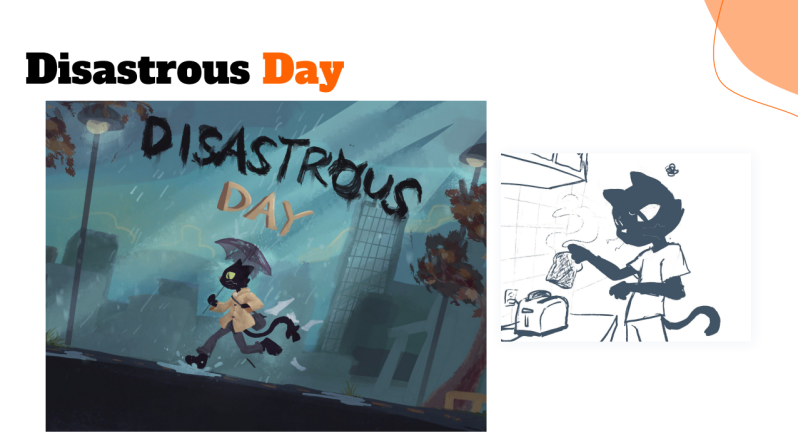
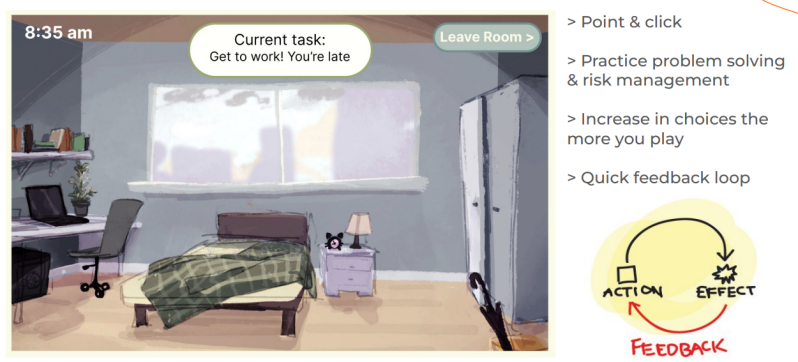
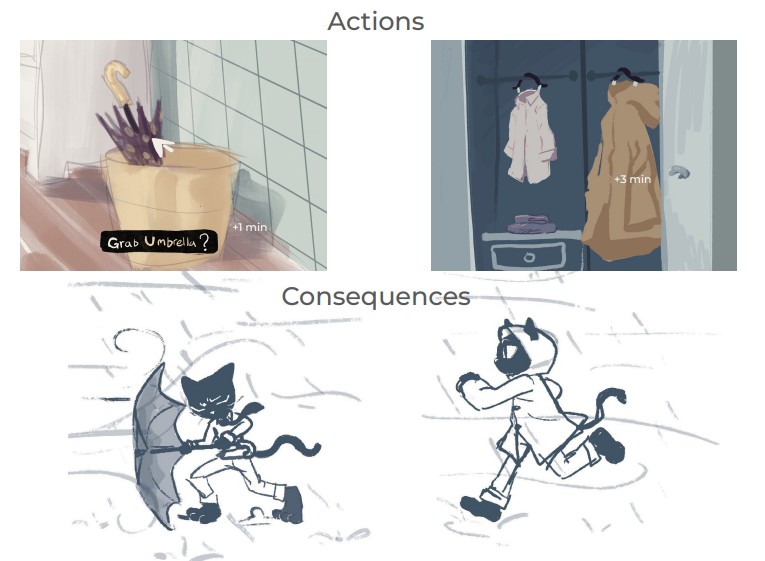
For our school project Context, we were assigned to create a game that teaches the player about sustainability. We had a lot of freedom for our concept, so we chose to go with a game that shows the social impact of your actions and how they can change your environment.
The trailer was edited by my teammate Dennis van den Brandt.
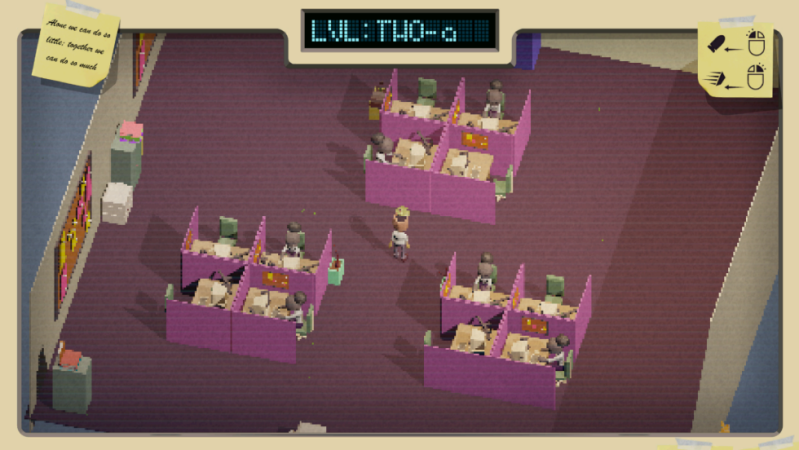
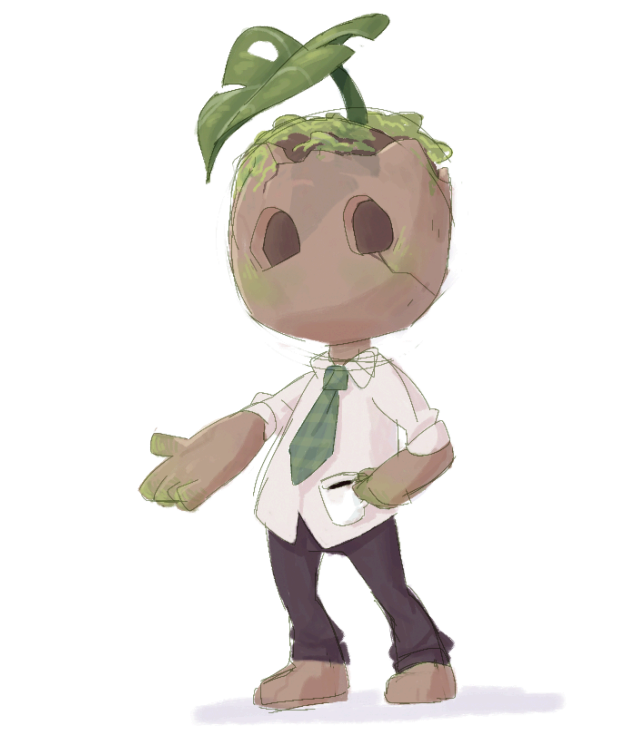
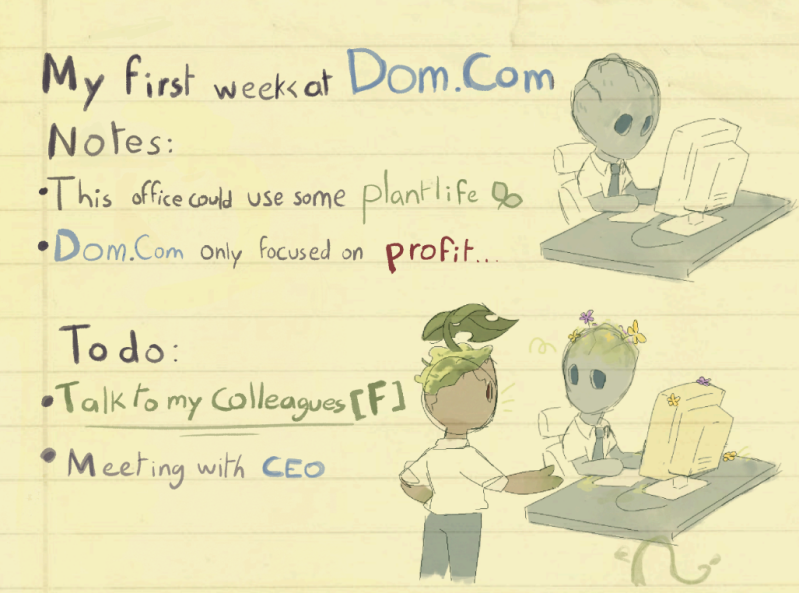
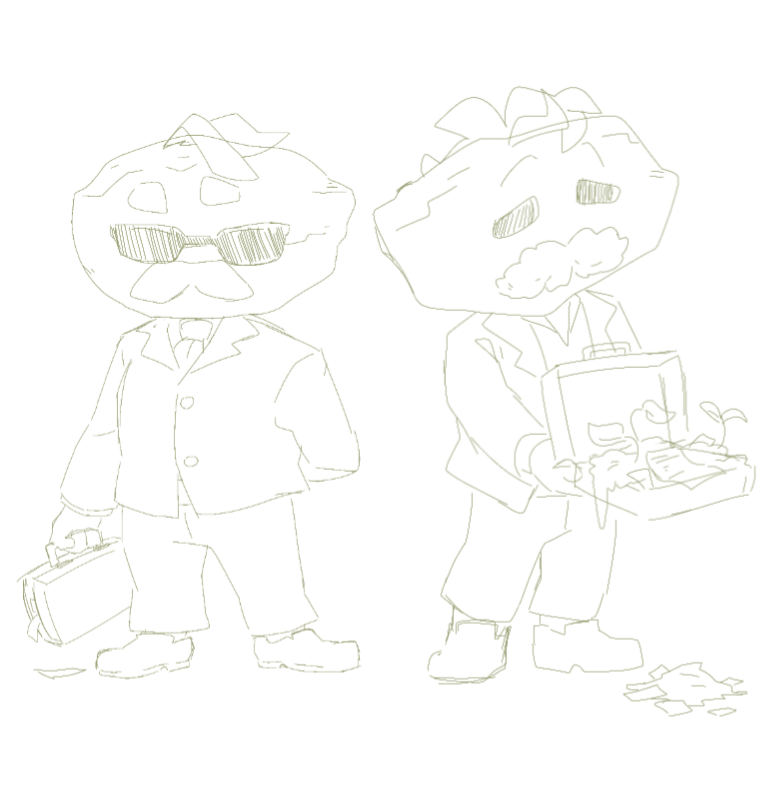
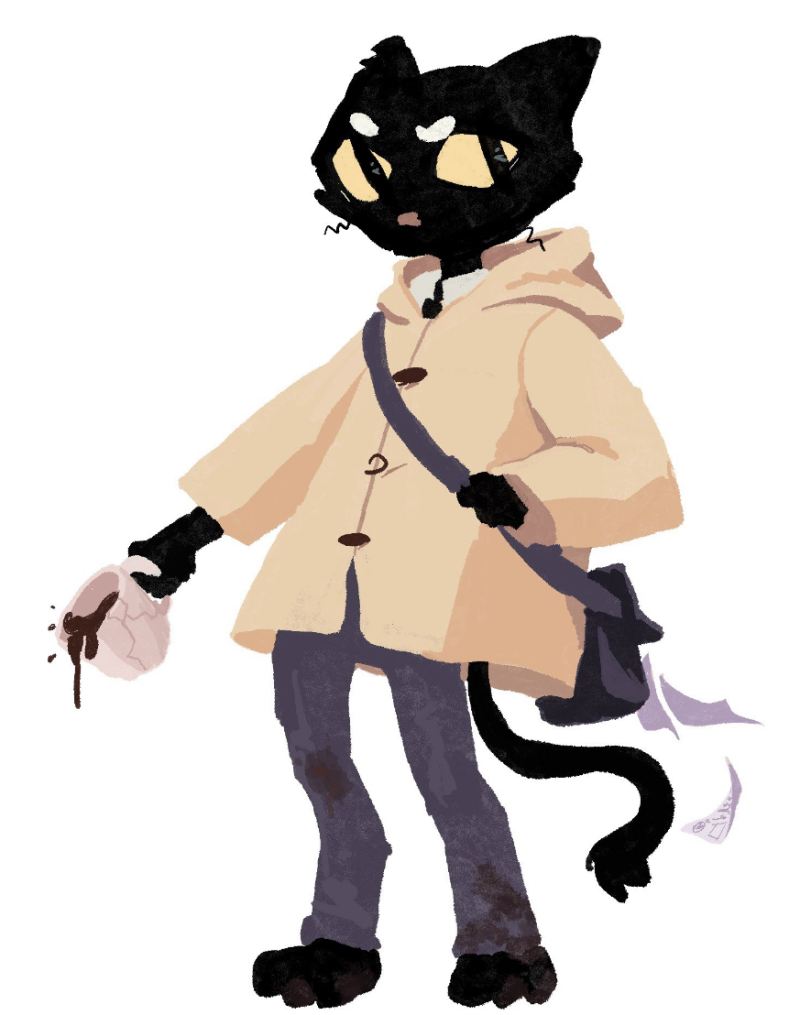
Art I made for Dom.Co, including posters and environment art along with the character designs, models and animations.


The Sunseeker - Narrative Adventure Game
A big scale game/worldbuilding project that I am working on almost every week. You can read a lot about the art, characters, world & story in the Artwork page.
Physical games
Baba Yaga - Interactive Board Game
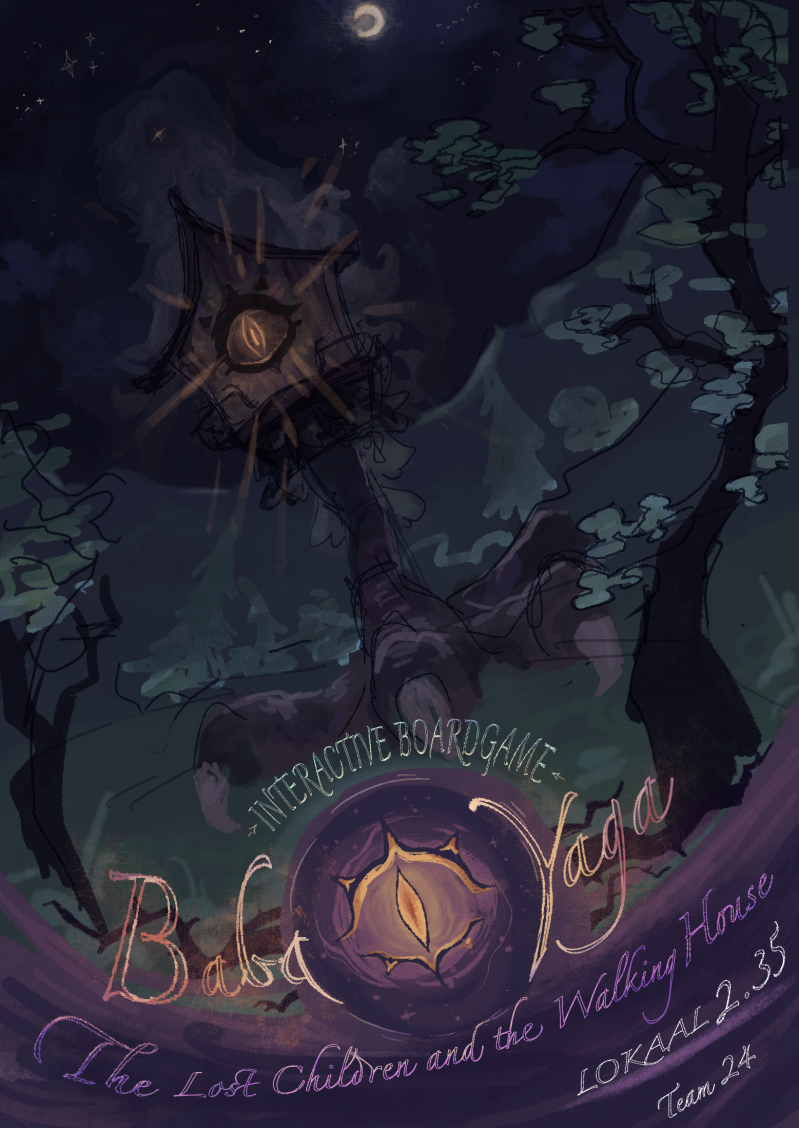
For a school project we got the chance to create a physical board game called Baba Yaga: The lost Children and the Walking House.
We knew we wanted to work physically as our team consisted of artists and interaction designers, mixing our talents together to create a board game with moving parts, lots of interactables and a detailed world. We wanted the player to experience a magical and wondrous feeling while playing with the use of technology.
I was inspired by the slavic story of Baba Yaga, a witch that appears in many folklore and fairytales. She walks on a walking house and traps children in her forest to consume them. The gameplay of Baba Yaga revolves around completing the tasks given by the four lackies of the witch, who will let you free after finishing all four. During this you will travel across the board, throwing coins in a wishing well which will show you how many steps you can take. But watch out, throw a 6 or land on a certain space and the witch will notice you. The house will move the next turn towards one of the four areas and its eye will flash, meaning Baba Yaga has found you and taje you back to her house.
By avoiding the witch and navigating through the four areas, you'll complete the tasks:
Collecting meat from the ever growing cow, trade coins from a troll for a bottle of oil, tie a ribbon around a magical tree and bake bread in the witches oven which you all do physically.
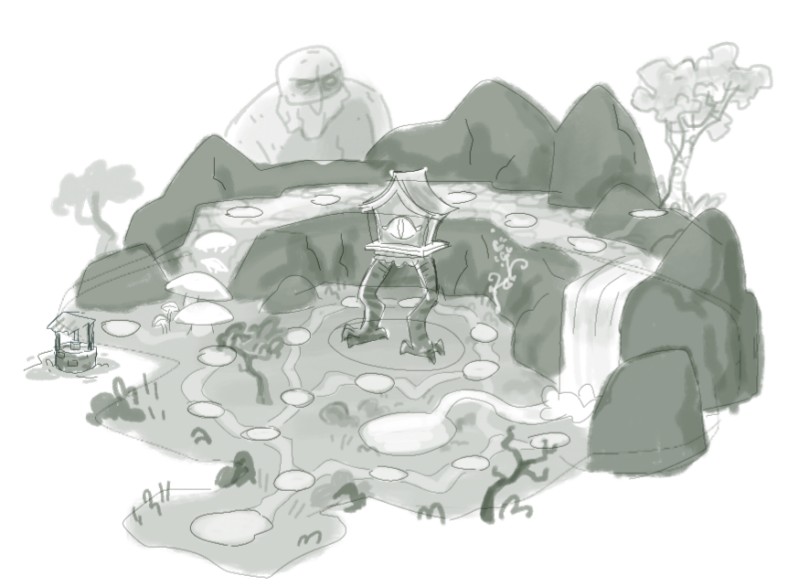
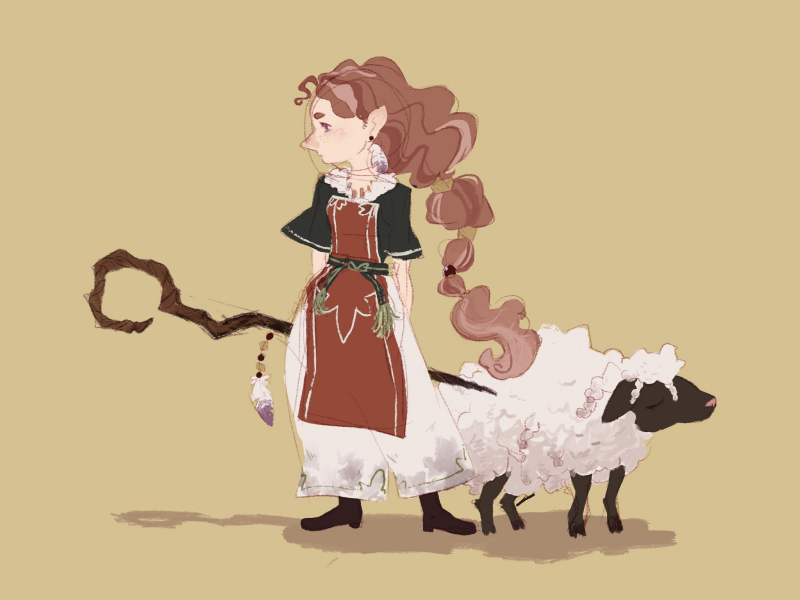

For this project I worked on the board design, character designs and gameplay elements. I took a lot of inspiration from Russian and other Slavic fairytales and culture and implemented them into the characters you play as. A farmers daughter with purple eyes, a cursed child transformed into a sheep, the prince son of the Tsar and a young shaman from a faraway village. The characters are all supposed to be misfits in their environment or have a certain struggle. A common theme in childrens fairytales is that through overcoming a challenge, they also learn something new about themselves.
If I were to have the chance to create a more dleshed out story, I would like to have the characters personalities affect the gameplay and go through a sort of character arc after escaping the forrest.
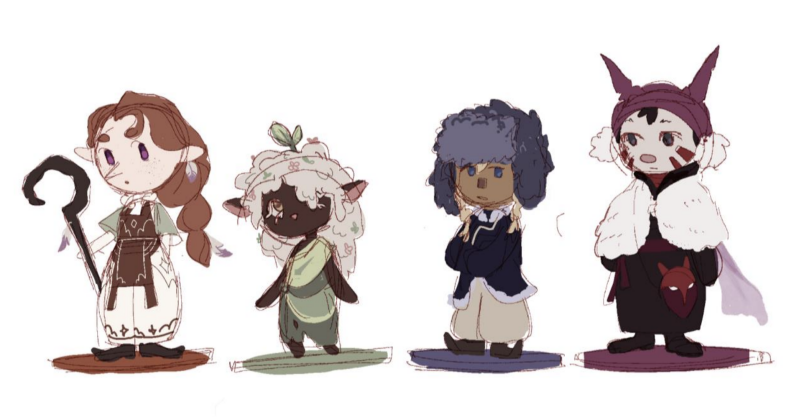
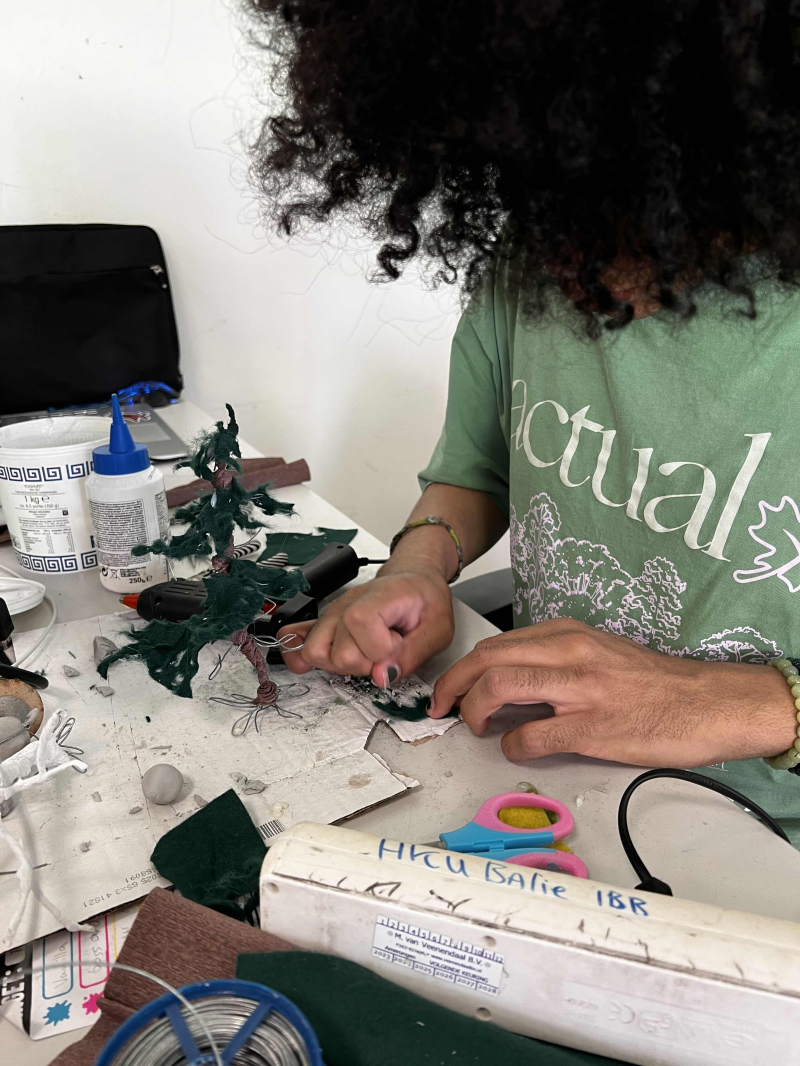

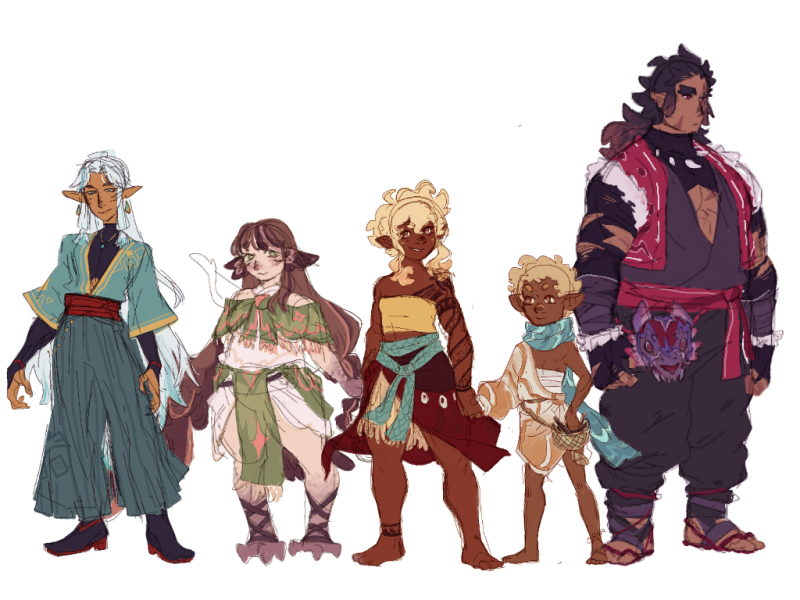
Character lineup
Working on details


Card Sleeve
Concept Art for cards


Playing Cards
Arduino Experiments
RIBBIT RUSH
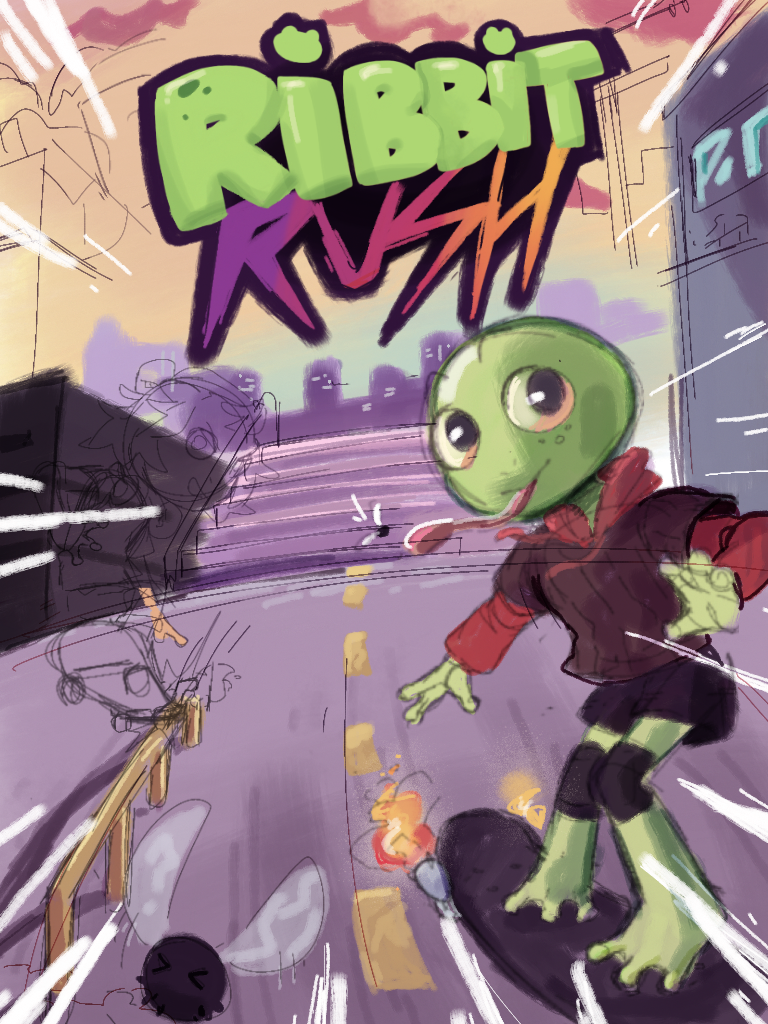
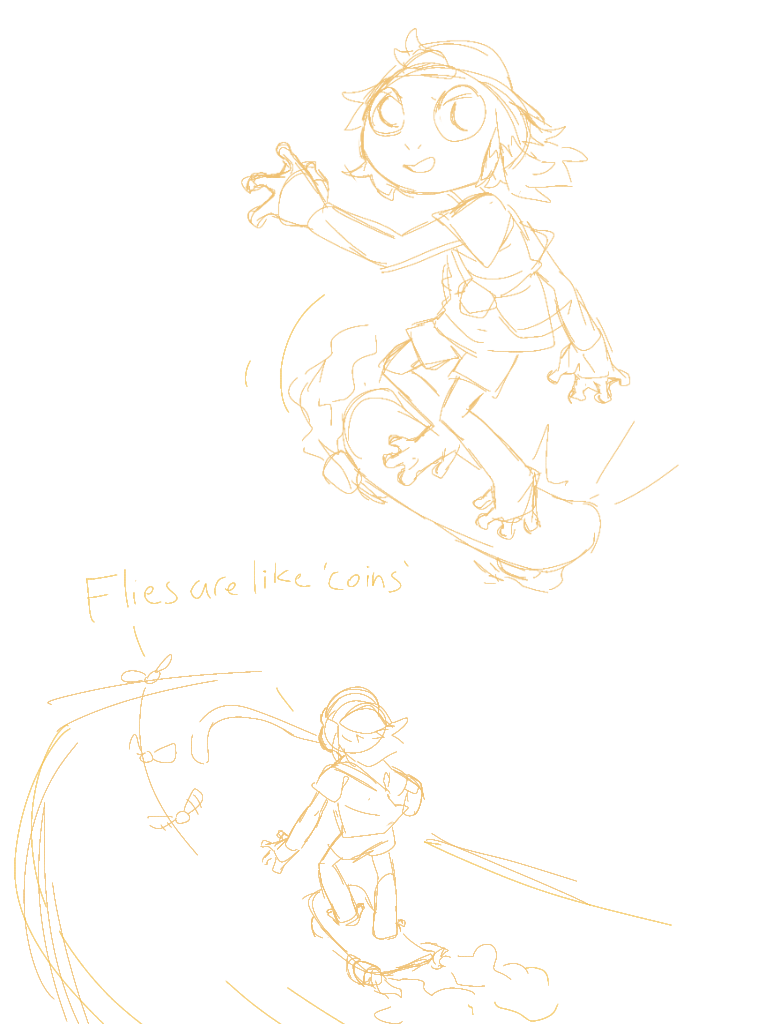
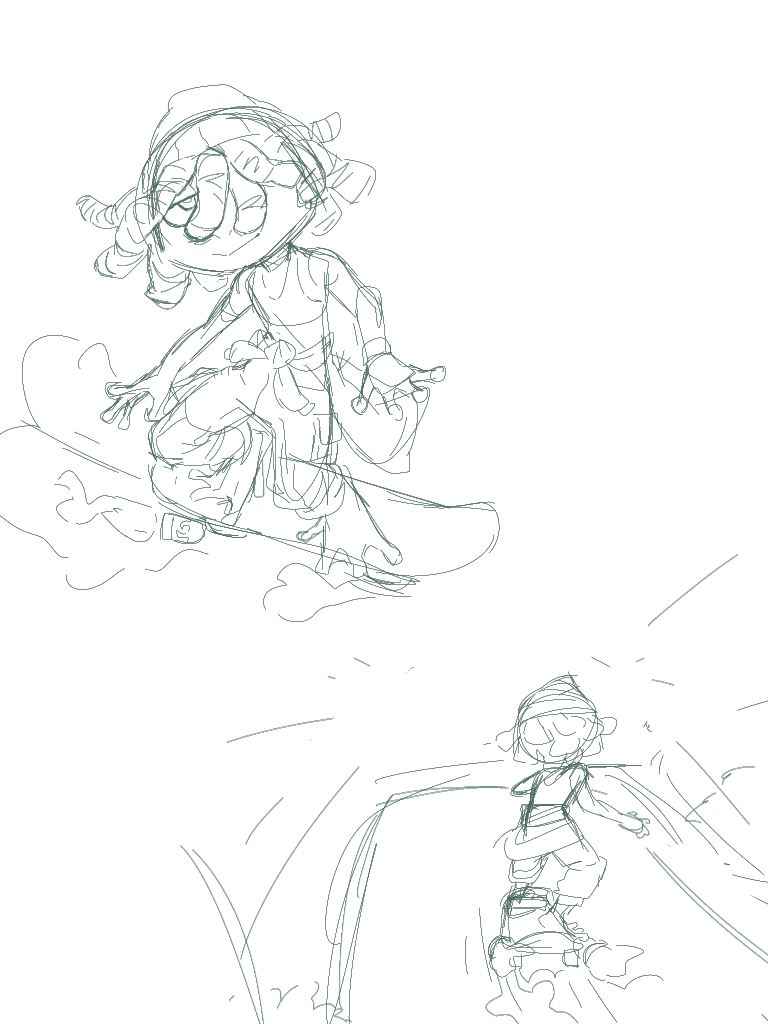
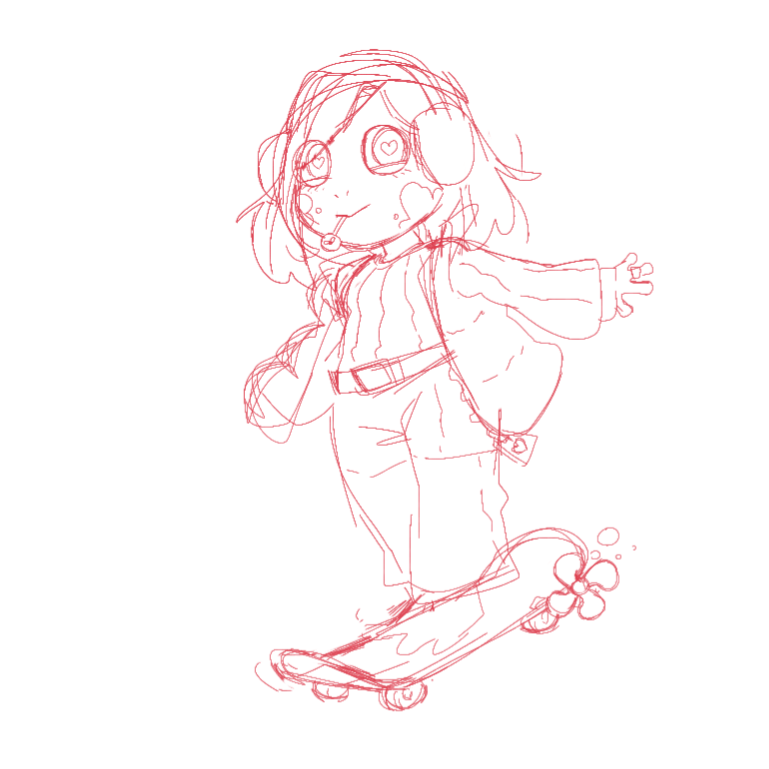
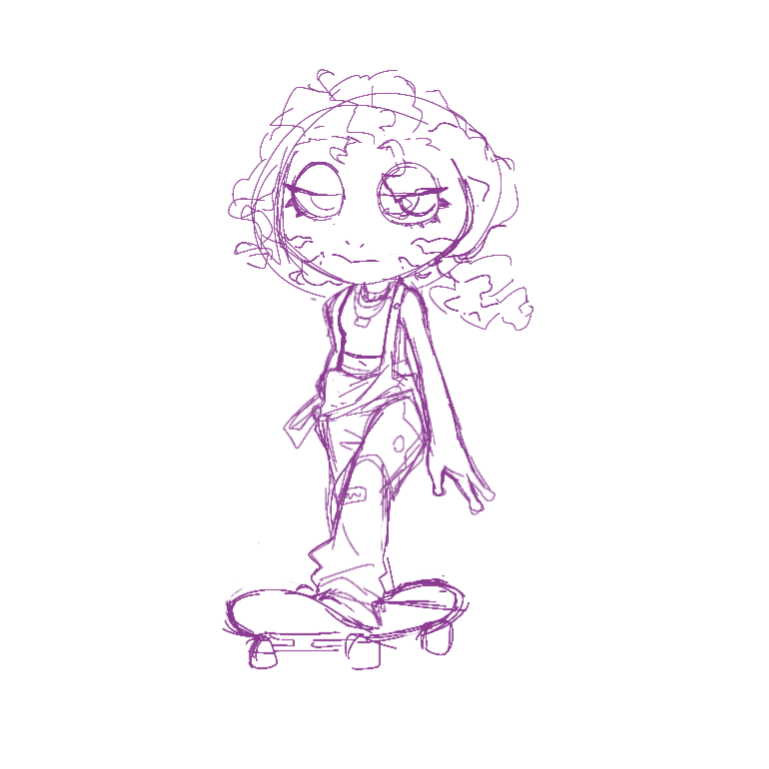
I made a game concept named Ribbit Rush. In Ribbit Rush you play as a cute frog racing against other frogs on skateboards, with ROCKETS. Ribbit Rush is a fun and fast multiplayer game you can play with your friends and family, and perhaps even online against others.
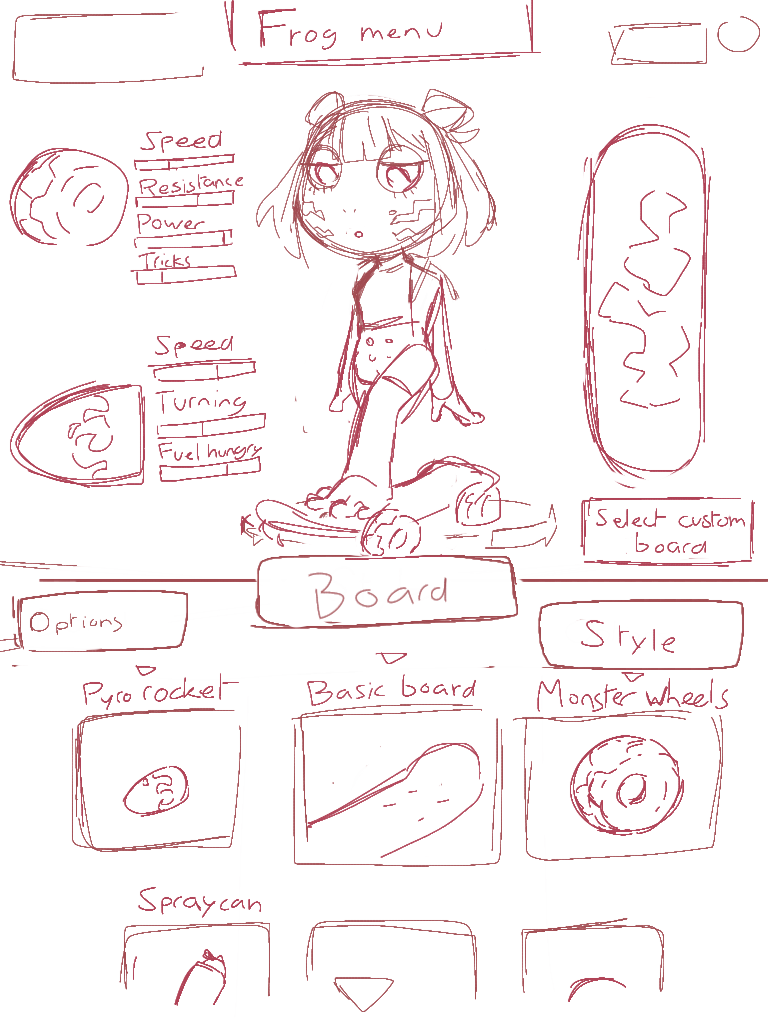
First you make your own frog avatar, and select what kind of skateboard, wheels, and "engine" or "booster" you want. As a rookie you start of using spraycans sticked to a skateboard to propell yourself forward, but when you win more races, you get more money (flies, in their world), and can buy new gear like motor engines or rockets.
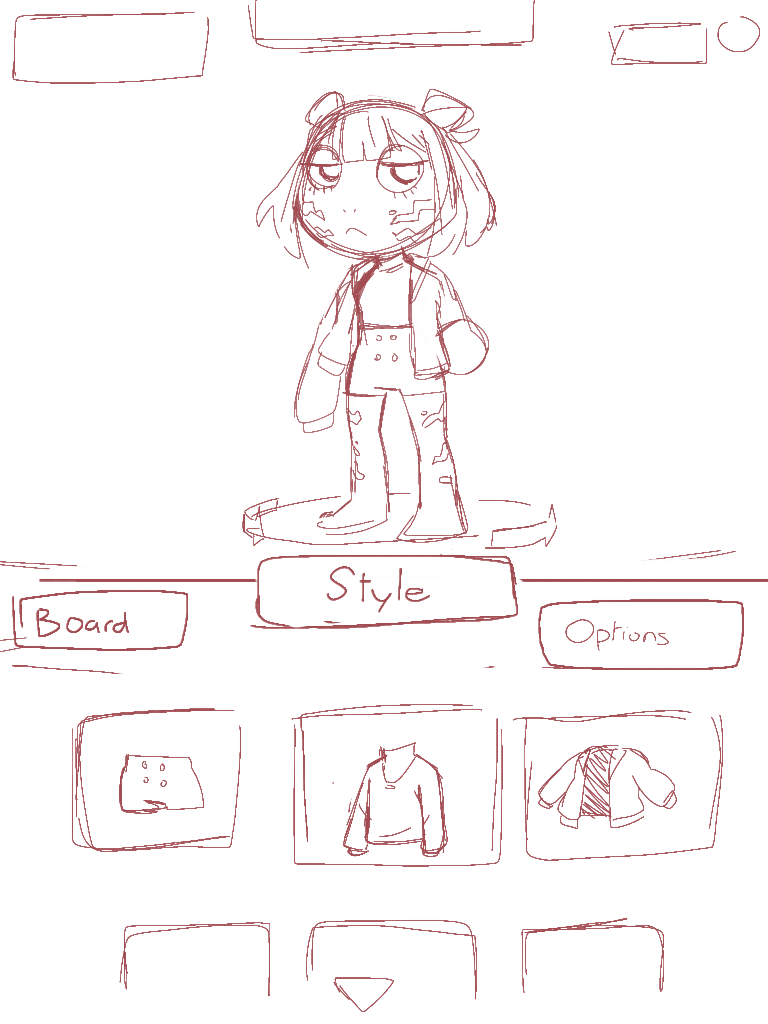
Customization is important to make the player feel like they can put themselves in the game (in frog form, of course). You can choose your species of frog, like poison dart frogs, regular green frogs, tree frogs, horned frogs, etc. Though the differences in frog species are mainly cosmetic, some may have slightly different stats. Other than species, there would be a large amount of clothing and accesory options. The fashion in Ribbit Rush is mainly based on streetwear, as it is inspired by skating and 'Hiphop culture, however there are also other alternative fashion styles to choose from. You can also have "hair", although I like to imagine its the frogs putting on wigs instead of actual hair, as that would be slightly disburbing.
In Ribbit Rush, you have multiple ways to win a match. Racing to the end and being in first place grants you a large amount of points, but if you ignored other mechanics you might find someone else will come out on top. Performing tricks and gathering flies will count towards your points. Certain points on stages like ramps, rails, platforms, etc, will give you the oppurtinity to perform tricks and flies will be littered all over the stages. Multiple gamemmodes might exist, with teams or duo's. Performing tricks together with another player may give even more points, as long as both players time right. All these factors make Ribbit Rush stand out from other racing games, giving the player many different playstyles and strategies other than getting to the goal first.
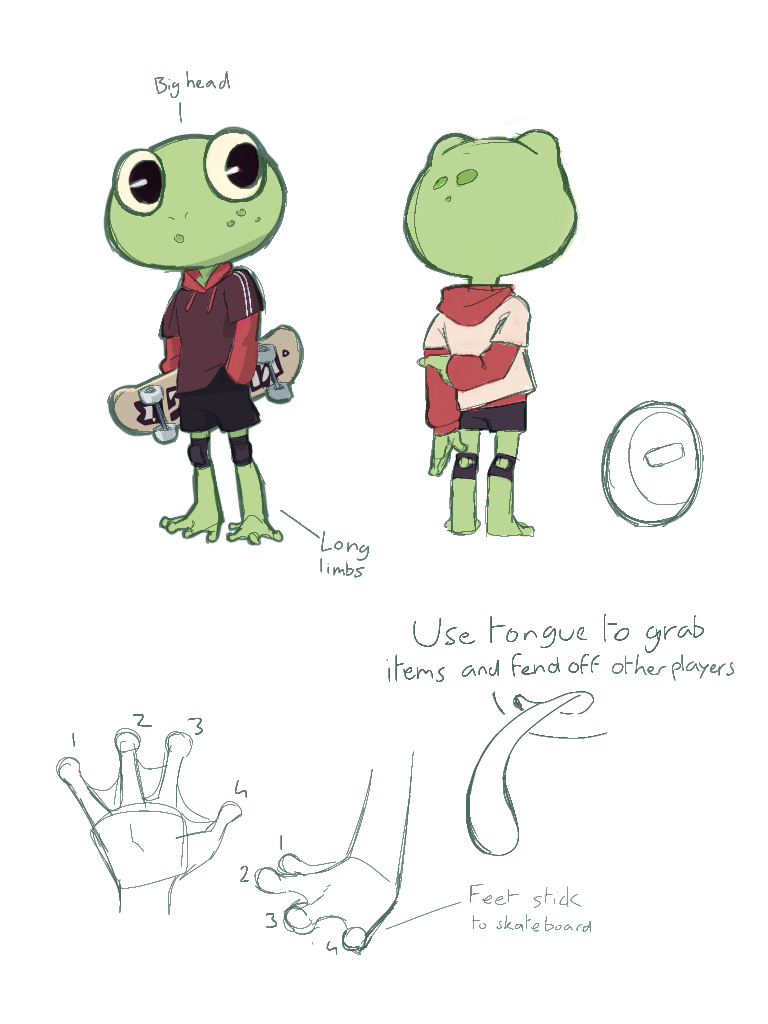
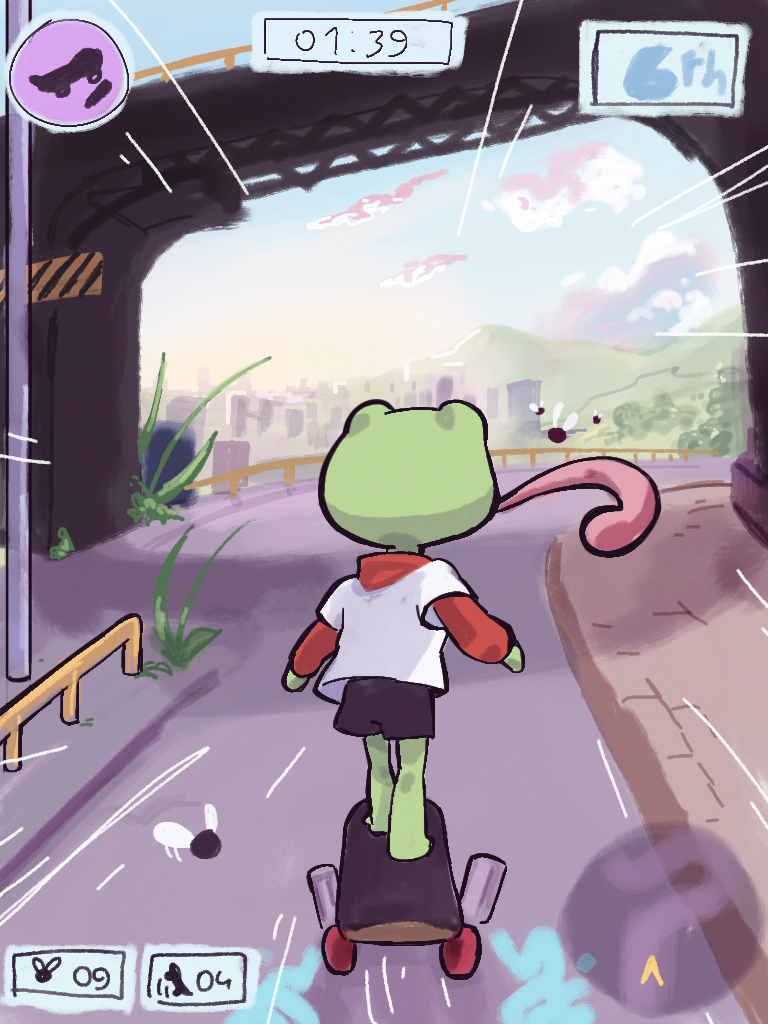
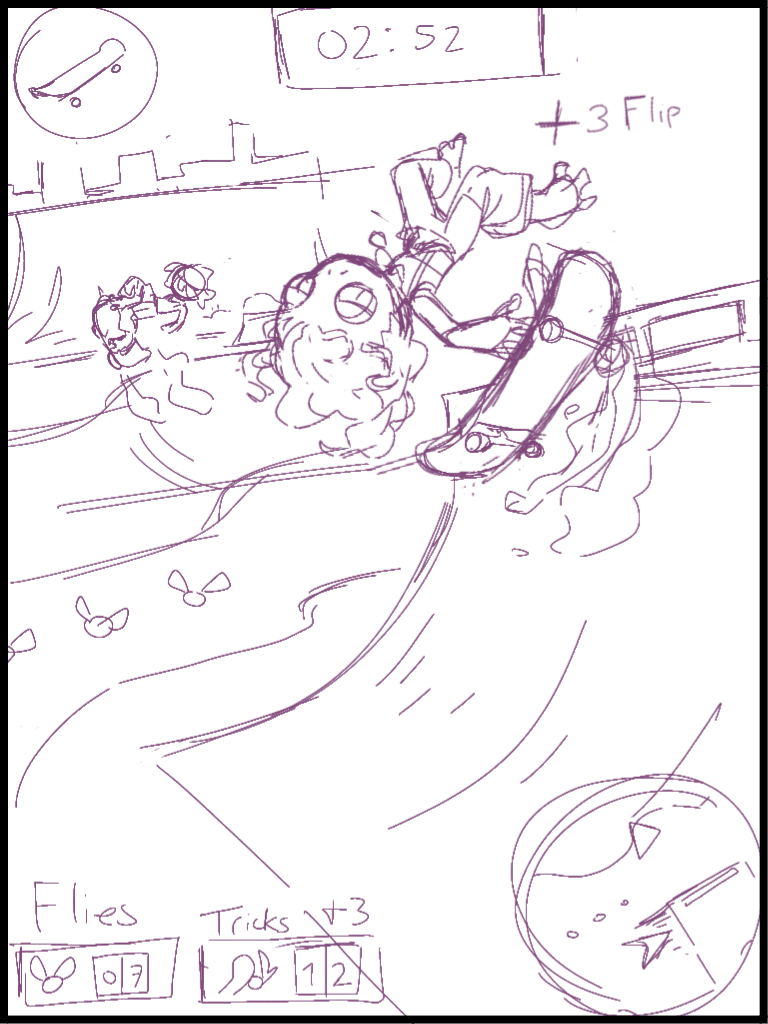
The frogs in Ribbit Rush live in a civilisation long after humans have gone extinct. They evolved to become larger and walk on two legs, and took refrences of humen history from thousands of years ago, which is how they replicated skating.
Their anatomy is also a factor in gameplay. Frogs can extend their tongue to grab items or flies on the course, but also knock over other players. It does have a cooldown, so players arent able to constantly spam it.
Frogs are also infamous for their ability to jump. In Ribbit Rush, whenever you jump, hold the button down to go much higher. You usually lose a bit of speed, but it does allow you to perform tricks easier, and maybe even multiple tricks in one jump! You must strategically think about when to make these types of jumps or tricks, depending on the terrain and other players around you.
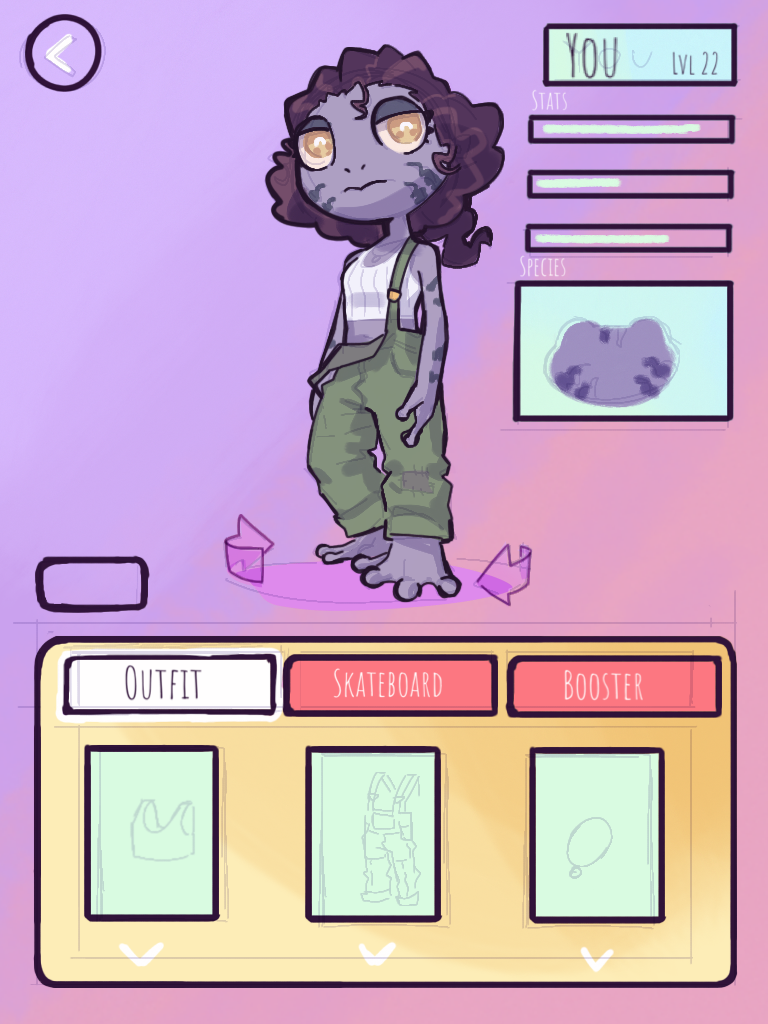
UI Concept Art
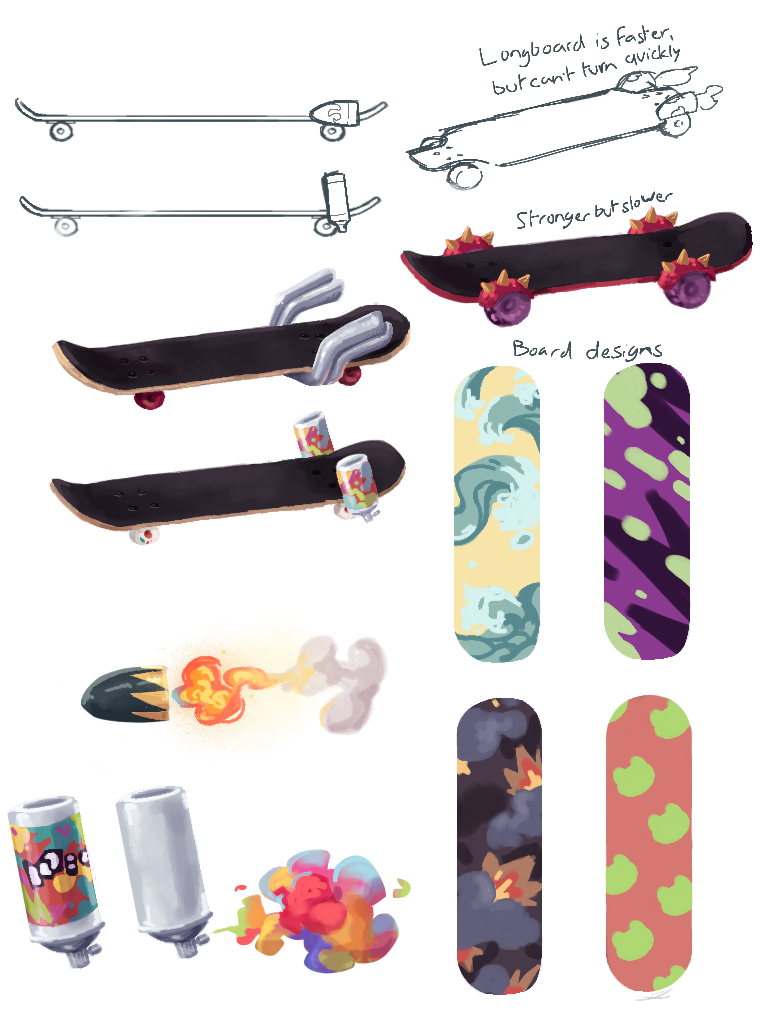
Skateboard Concept Art
Create Your Own Website With JouwWeb